
Walmart Product Research Mistakes That Kill Automation Stores in 2026
Walmart product research mistakes continue to derail automation stores, even as the marketplace becomes more sophisticated each year. According to data shared in Shopify’s ecommerce industry statistics and market insights, nearly 67% of automated dropshipping businesses fail within their first year. In most cases, poor product selection is the primary reason behind that failure.
This statistic makes one thing clear. Simply automating a Walmart store is no longer enough to survive. Instead, sellers need a strategic and data-driven approach to Walmart product research that goes beyond surface-level metrics. As a result, stores built only on automation tools often struggle to stay profitable.
Many sellers assume automation tools remove the need for careful product vetting. However, this belief creates expensive problems over time. Poor Walmart product research leads to weak margins, higher return rates, and declining seller performance. In addition, these issues compound quickly once automation scales. This guide breaks down the Walmart product research mistakes that quietly destroy automation stores and explains how sellers can build a sustainable Walmart automation business in 2026 with the right foundation and support from experienced teams like Hisellit.
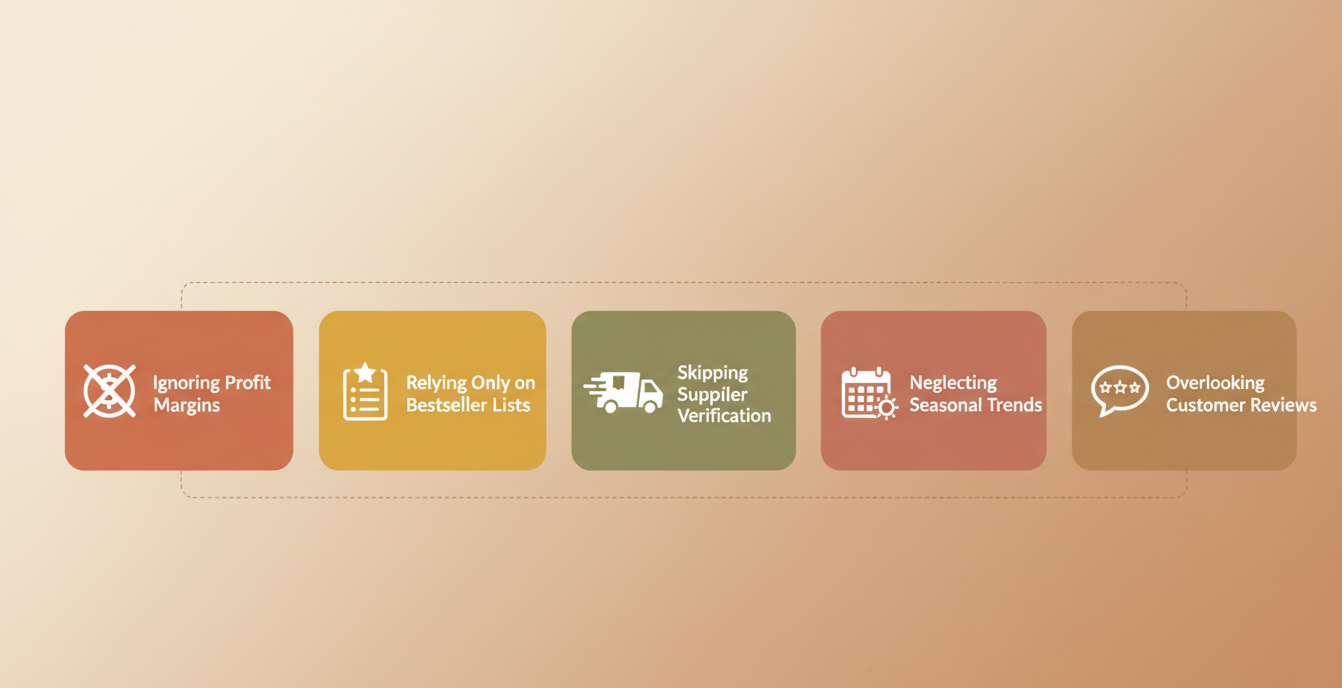
Why Walmart Product Research Determines Your Store’s Success
Your product selection affects almost every part of your business. Revenue, customer satisfaction, return rates, and long-term profitability all start with this first choice. Unfortunately, automation makes it easy to list hundreds of products without doing proper research. As a result, many Walmart automation stores face hidden risks before they even begin.
The marketplace has changed significantly. Walmart now emphasizes seller performance metrics more than ever. If your products generate complaints, returns, or negative reviews, your account could face serious penalties. For example, sellers who list trending items without verifying supplier reliability often encounter fulfillment problems that quickly hurt their ratings. For guidance on building a stable Walmart automation store, teams like Hisellit provide support you can explore here.
The Foundation of Every Successful Automation Store
Smart Walmart product research in 2026 means knowing seasonal demand, competitive pricing, and supplier consistency. It also means understanding that not every high-margin product belongs in your catalog. This careful approach separates profitable Walmart automation stores from those that struggle month after month.
The difference between thriving sellers and failing ones often comes down to research quality, not how advanced your automation tools are. You can have the best software in the world, but it will not save you from poor product choices. In addition, Walmart’s marketplace algorithms increasingly reward sellers who maintain consistent performance, making Walmart product research quality more important than ever. For personalized advice on selecting products that perform, you can connect with experts here.
Relying Solely on Bestseller Lists for Walmart Product Research
Chasing bestsellers seems like a smart move at first. These products clearly show demand, right? The problem is that every other automation store sees the same lists. When dozens of sellers target the same items, profit margins quickly shrink due to intense price competition.
Bestseller lists can also create false confidence. A product might rank highly for a short time because of seasonal spikes, promotions, or outside trends that will not last. By the time you list the item and optimize your Walmart automation workflows, demand may have already shifted elsewhere.
Finding Hidden Opportunities Beyond Bestsellers
Instead, focus on emerging products with steady growth. Look for items with moderate competition and consistent monthly search volume. Tools like Jungle Scout and Helium 10 now provide Walmart-specific features to identify these opportunities. In addition, analyzing review patterns helps you spot products where existing sellers underperform, giving your store a chance to offer better service.
A practical approach for Walmart product research is to identify product categories with stable demand, then drill down to specific variations that competitors overlook. For example, rather than listing generic phone cases, target specialized designs for newer phone models that larger sellers have not prioritized yet.
However, do not ignore bestseller data completely. Use it as one input among many, rather than your main decision factor. The smartest Walmart automation stores combine bestseller insights with competitive analysis, margin calculations, and supplier verification to make balanced, profitable decisions.
Ignoring Profit Margins in Walmart Product Research
Many Walmart automation store owners focus heavily on sales volume while overlooking true profitability. A product bringing in $10,000 per month may seem successful, but if your margin is only 8% after fees, shipping, and returns, that leaves just $800 before advertising and other costs. As a result, even high-revenue products can quickly become financial traps.
Understanding Walmart’s Fee Structure in 2026
Walmart’s fee structure in 2026 includes referral fees ranging from 6% to 20% depending on the category. In addition, fulfillment costs apply if you use Walmart Fulfillment Services. You must factor these expenses into your Walmart marketplace product research before committing to inventory. As a result, products with healthy gross margins of 30% to 40% give your store the cushion needed to grow sustainably. For a detailed breakdown of Walmart fees, you can refer to Walmart Seller Help.
Here’s what real profit margins look like across different price points:
| Product Price | Referral Fee (15%) | Fulfillment Cost | Product Cost (50%) | Net Profit | Margin % |
|---|---|---|---|---|---|
| $20 | $3.00 | $4.50 | $10.00 | $2.50 | 12.5% |
| $35 | $5.25 | $4.80 | $17.50 | $7.45 | 21.3% |
| $50 | $7.50 | $5.20 | $25.00 | $12.30 | 24.6% |
| $75 | $11.25 | $5.80 | $37.50 | $20.45 | 27.3% |
| $100 | $15.00 | $6.80 | $50.00 | $28.20 | 28.2% |
This table demonstrates why higher-priced products often deliver better margins despite similar percentage costs. The fixed fulfillment costs represent a smaller portion of revenue as prices increase.
Calculating Your True Break-Even Point
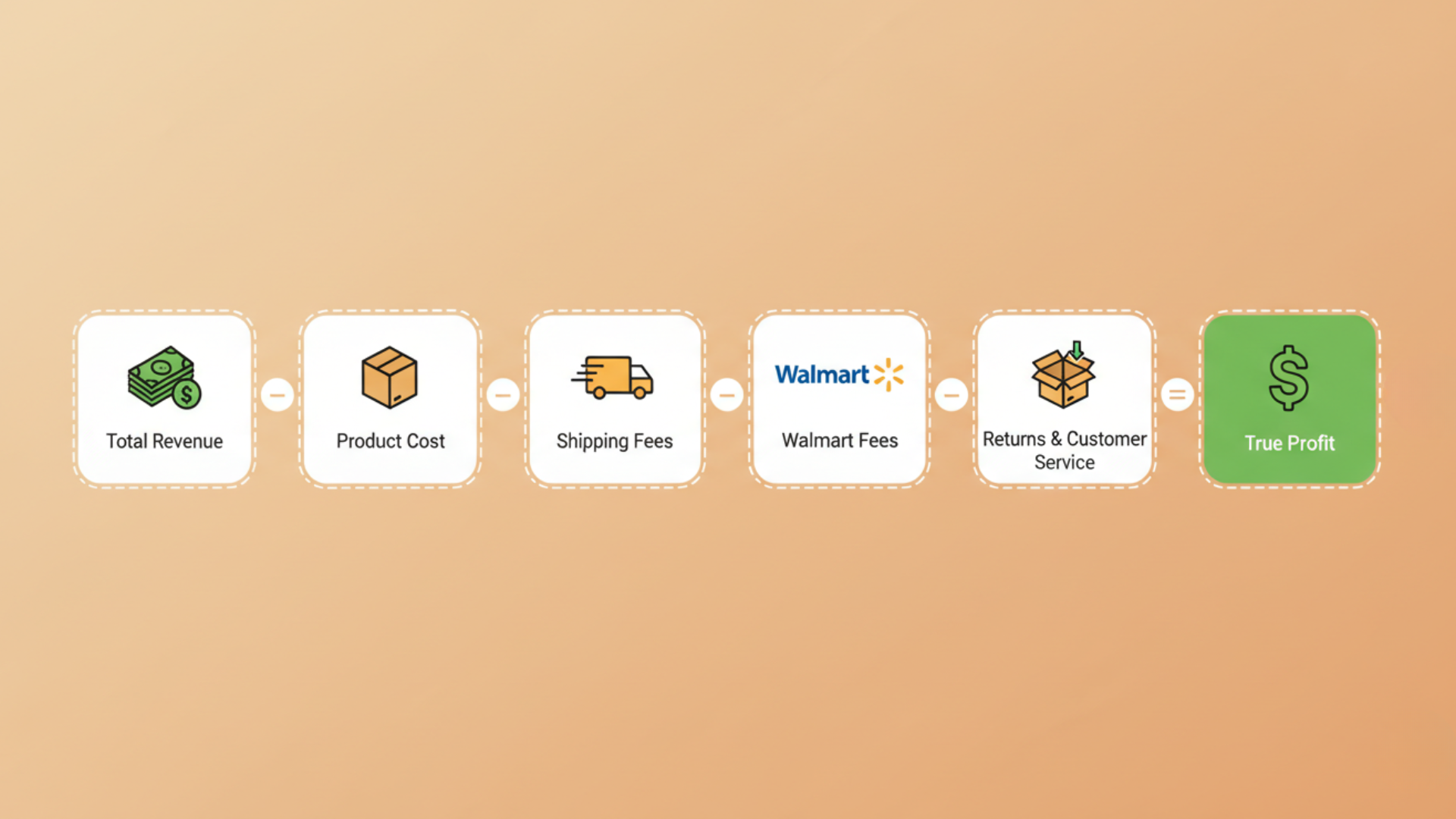
To make smart product decisions, calculate the break-even point for every product. Include all costs: product cost, shipping to your warehouse, storage fees, Walmart fees, return rates, customer service time, and marketing expenses. Only then can you know if a product is truly worth listing.
Low-margin products force Walmart automation stores into volume-dependent models that are fragile. One supplier price increase, shipping delay, or algorithm change can eliminate profitability overnight. However, products with strong margins give flexibility to handle challenges and invest in better customer experiences. This approach keeps your Walmart automation business stable even when the marketplace shifts.
If you’re building an automation store that requires expert guidance on profitable Walmart product selection, Hisellit’s Walmart automation services provide data-driven strategies tailored to sustainable growth.
Skipping Supplier Verification in Walmart Product Research
Automation stores often work with multiple suppliers to stay competitive and keep inventory available. This strategy works well when suppliers are reliable. However, it becomes a major problem when they are not.
Common Supplier Reliability Issues
Supplier reliability problems appear in several ways. Delayed shipments hurt your Walmart seller metrics and lead to customer complaints. Inconsistent product quality causes returns and negative reviews. Unexpected stock-outs may force order cancellations, further damaging performance ratings. Over time, these issues compound, making recovery harder.
Before listing any product, verify your supplier’s track record. Order samples to check quality, packaging, and shipping speed. Review feedback from other buyers, especially regarding communication and problem resolution. In addition, set clear agreements on inventory levels, lead times, and quality standards. For guidance on evaluating suppliers, you can refer to this supply chain reliability resource.
Building a Reliable Supplier Network
Work with three to five vetted suppliers rather than dozens of untested ones. This focused approach allows you to build stronger relationships, negotiate better terms, and maintain consistent quality. In addition, having backup suppliers for critical products protects against disruptions.
Monitor supplier performance continuously. Track on-time delivery rates, defect percentages, and communication responsiveness. When problems emerge, address them immediately or switch suppliers before they damage your store’s reputation.
Strong supplier relationships create competitive advantages for your Walmart automation business. Reliable partners help you maintain consistent inventory levels, respond quickly to demand changes, and deliver the quality customers expect.
Neglecting Seasonal Trends in Walmart Product Research
Seasonal fluctuations affect almost every product category, yet many automation sellers overlook these patterns. They list winter products in spring and wonder why sales are low. As a result, they miss large opportunities during peak seasons simply because they did not plan ahead.
Understanding Seasonal Demand Patterns
Studying seasonality requires analyzing historical data across multiple years. Tools like Google Trends and Walmart’s own analytics show demand patterns for specific products and categories. In addition, consider cultural events, holidays, weather shifts, and economic cycles that affect buying behavior. For insights into seasonal retail trends, check out National Retail Federation data.
Begin your Walmart product research strategy three to four months before peak demand. This timeline gives space to source inventory, optimize listings, and build initial momentum. For example, if targeting back-to-school products, start in April or May, not July when competition becomes intense.
Capitalizing on Off-Season Opportunities
However, don’t abandon seasonal products after their peak passes. Many categories experience secondary demand waves or niche opportunities during off-seasons. School supplies sell year-round to homeschooling families. Holiday decorations appeal to event planners and theme party enthusiasts even in summer.
Balance your catalog between evergreen products providing steady baseline revenue and seasonal items delivering profit surges. This mix stabilizes cash flow while capitalizing on high-demand periods. As a result, you’ll maintain consistent revenue even during slower months while maximizing earnings during peak seasons.
Consider creating seasonal product bundles that extend relevance beyond traditional timeframes. For example, winter accessories bundled with year-round items appeal to customers planning ahead or shopping for upcoming trips.
Overlooking Customer Reviews During Walmart Product Research
Customer reviews hold valuable insights that most automation sellers overlook. They reveal quality problems, missing features, shipping issues, and unmet customer expectations. Reviews show exactly what frustrates buyers and what delights them, giving sellers a real advantage.
Mining Reviews for Competitive Advantages
When doing Walmart product research, read at least 50 recent reviews across multiple competing listings. Look for patterns in complaints. If many customers mention slow shipping, this signals a chance to differentiate with faster fulfillment. If reviews repeatedly request a missing feature, consider sourcing a variation that includes it.
Pay attention to three-star reviews. These often provide balanced feedback, highlighting both strengths and weaknesses. Five-star reviews can lack detail, while one-star reviews sometimes reflect unrealistic expectations. Three-star reviews typically come from reasonable customers sharing genuine experiences.
Using Review Insights to Optimize Listings
Analyzing reviews also helps improve product listings. When the same questions appear repeatedly, address them clearly in your description. Highlight praised features in bullet points and images.
The review landscape in 2026 is more sophisticated. Walmart now highlights verified purchase reviews and flags suspicious patterns. Focus on generating authentic reviews through excellent service rather than manipulation tactics that could harm your account. For insights on leveraging customer feedback for e-commerce success, see this Practical Ecommerce guide.
However, remember that some negative reviews reflect unrealistic expectations rather than actual product flaws. Learn to distinguish between issues you can address and circumstances outside your control when evaluating products.
Failing to Analyze Competition in Walmart Product Research
Competitive analysis is what separates successful Walmart automation stores from failing ones. You need to know who your competitors are, what advantages they hold, and where gaps exist in the market.
Identifying Your True Competitors
Start by finding the top five sellers for your target products. Examine their pricing strategies, listing quality, review counts, seller ratings, and fulfillment methods. Look for patterns in how they position products and the value they emphasize.
Do not just copy successful competitors. Instead, identify their weaknesses and missed opportunities. Perhaps their images are low quality, or their descriptions lack important details. Maybe they do not offer bundle options that buyers want. These gaps represent your chance to stand out.
Evaluating Market Saturation Levels
Consider competitive intensity realistically. Markets with dozens of identical sellers offering rock-bottom prices rarely reward new entrants. However, markets with a few established sellers and clear differentiation opportunities can be highly profitable.
Use tools like Keepa and CamelCamelCamel to track competitor pricing over time. Understanding price fluctuations allows smarter Walmart product research strategy that maintains margins while staying competitive. In addition, watch when competitors go out of stock, creating temporary opportunities for more visibility and higher sales. For deeper insights into competitor tracking, see this Jungle Scout competitor analysis guide.
If you’re struggling to identify profitable opportunities in competitive markets, connecting with experienced e-commerce strategists can provide the perspective needed to make better decisions.
Choosing Products with High Return Rates
Return rates directly affect profitability and seller metrics on Walmart. Products prone to returns create a cycle of lost revenue, damaged metrics, wasted time processing returns, and restocking headaches. Many automation sellers only notice these problems after investing heavily.
High-Risk Product Categories to Approach Carefully
Some product categories naturally see higher returns. Clothing and shoes lead the list due to fit issues. Electronics often return because buyers experience technical problems or change their minds. Complex products needing assembly frequently get returned when customers struggle with setup.
Research typical return rates for your categories before committing. Industry benchmarks for 2026 suggest electronics average 8% to 15% returns, while apparel can reach 20% to 30%. If your product is in a high-return category, ensure margins and fulfillment processes can handle this. For guidance on product return rates in e-commerce, see this Shopify article on returns.
Reducing Returns Through Better Listings
Product descriptions play a key role in managing return expectations. Clear, detailed descriptions reduce returns from mismatched expectations. High-quality images from multiple angles help buyers make informed decisions. Size charts, compatibility info, and usage instructions all contribute to lower return rates.
Consider adding value through bundling or enhanced packaging that protects items during shipping. For instance, fragile items packed with extra protection experience fewer returns from transit damage.
Some returns are inevitable despite your efforts. Build return processing into your workflow and budget rather than treating it as unexpected. The most successful sellers view returns as part of doing business and optimize processes to minimize their impact.
Underestimating the Importance of Product Differentiation
Generic products often attract heavy competition. As more sellers enter the market, prices drop fast, profit margins shrink, and building long-term, sustainable growth becomes extremely difficult. Product differentiation creates lasting competitive advantages, enabling higher prices and stronger customer loyalty.
Creating Value Beyond Price Competition
Differentiation does not always mean selling unique products. Sometimes it is bundling complementary items in ways competitors have not considered. Other times it involves better packaging, improved instructions, or exceptional customer service that turns ordinary products into preferred choices.
Look for products where you can add real value. This may involve sourcing higher-quality versions of popular items, creating custom variations to meet unmet needs, or building exclusive relationships with manufacturers for specialized products. For tips on product differentiation strategies, check out this Harvard Business Review guide.
Building Brand Equity Through Private Labeling
Private labeling offers strong differentiation opportunities in 2026. By creating your own brand, you avoid direct price competition and build equity that compounds over time. However, private labeling requires more investment upfront and longer timelines than simple reselling models.
Geographic differentiation works surprisingly well for some products. Items popular in certain regions but unavailable locally create natural monopolies. Research emerging trends in different areas to see if you can serve underserved markets.
Additionally, lifestyle-based differentiation can be very effective. Products marketed to specific hobbies, professions, or life stages often command premium prices even if their functionality is similar to generic alternatives. The key is understanding your target customer deeply enough to create meaningful differentiation.
Missing Market Trends in Walmart Product Research
Market trends strongly influence demand, yet many Walmart automation sellers miss these shifts until opportunities have already passed. Staying aware of emerging trends requires constant monitoring and fast decision-making.
Monitoring Trend Sources Effectively
Follow industry publications, social media influencers in relevant niches, and crowdfunding platforms where innovative products first appear. Sites like Kickstarter and Indiegogo show products that generate excitement before reaching mainstream marketplaces. In addition, use Google Trends and social listening tools to spot rising interest in specific products or categories. For practical tips on trend tracking, see this Forbes guide on spotting consumer trends.
The key is balancing responsiveness with strategic patience. Jumping on every trend creates inventory risks and diverts resources from core products. However, ignoring major shifts allows competitors to capture market share while you remain stagnant.
Evaluating Trend Sustainability
Develop a framework to evaluate trends carefully. Ask whether the trend fits your existing catalog, whether you can source products quickly, and whether it has staying power or is a brief spike. As a result, you can make better decisions about which opportunities deserve your attention.
Some trends create secondary opportunities. For example, the rise of remote work increased demand not only for office equipment but also for organizational products, ergonomic accessories, and home improvement items. These secondary effects often face less competition while offering significant potential.
For comprehensive support in building a trend-responsive Walmart automation store, Hisellit’s full-service approach combines market intelligence with execution expertise to help you capitalize on opportunities faster than competitors.
Building a Sustainable Walmart Product Research Process
Consistent success depends on a systematic Walmart product research process rather than random discovery. Automation alone cannot guarantee results. Developing a repeatable workflow helps evaluate opportunities clearly before committing time or money.
Creating Your Product Evaluation Framework
Start by defining your ideal product profile. Set minimum thresholds for profit margin, sales volume, review ratings, competition, and supplier reliability. This framework helps eliminate unsuitable products quickly and focus energy on genuine opportunities.
Allocate dedicated time each week for Walmart product research. Treat it as essential business development rather than something done when convenient. Regular research prevents inventory stagnation and keeps your catalog fresh by highlighting improving performers while phasing out declining items.
For more guidance on building a structured Walmart product research process, check out this BigCommerce resource on product research strategies.
Your Complete Product Research Checklist
Use this systematic checklist before adding any product to your Walmart automation store:
| Research Factor | Minimum Standard | How to Verify | Red Flags |
|---|---|---|---|
| Profit Margin | 30-40% after all fees | Calculate with fee estimator | Margins under 20% |
| Monthly Sales Volume | 100+ units | Jungle Scout, Helium 10 | Declining 3-month trend |
| Competition Level | Low to Medium | Count active sellers | 20+ identical listings |
| Supplier Rating | 4.5+ stars, 100+ reviews | Check supplier platforms | Communication delays |
| Product Reviews | 4.0+ average rating | Read recent reviews | Consistent quality complaints |
| Return Rate | Under 10% for category | Research category benchmarks | Fit/compatibility issues |
| Seasonality | Stable or planned | Google Trends analysis | Single-month demand spike |
| Differentiation Potential | Clear value-add possible | Competitive gap analysis | Commodity product only |
A solid checklist helps remove guesswork by turning subjective choices into clear, objective evaluations. At the same time, it is important to stay flexible, since some standout products may not tick every single box but still perform exceptionally well. Use your judgment to determine which factors matter most for specific opportunities.
Documenting and Refining Your Process
Document your Walmart product research process and findings. Create spreadsheets tracking each product, including reasons for accepting or rejecting it. This historical data helps you recognize patterns and avoid repeating past mistakes.
Test new products in small batches before scaling. List limited quantities first to validate demand, assess return rates, evaluate supplier performance, and gather customer feedback. Once a product proves itself, confidently increase investment. This careful approach limits downside risk while preserving upside potential.
Maintaining Catalog Health Over Time
Review your catalog quarterly. Products that performed well six months ago may now face increased competition or declining demand. Regular reviews help reallocate resources to current opportunities and phase out underperforming items before they harm your metrics.
Track key performance indicators for each product, including profit per unit, return rate, review velocity, and competitive position. These metrics reveal which products deserve continued investment and which require adjustment or removal. For detailed tips on tracking product performance, see this Shopify guide on KPI tracking.
The Future of Walmart Product Research in 2026 and Beyond
The Walmart marketplace is evolving quickly, with artificial intelligence and machine learning reshaping how top sellers operate. Predictive analytics tools now forecast demand with remarkable accuracy, helping Walmart automation stores stock the right products at the right time.
Emerging Technologies Reshaping Product Discovery
Voice commerce and visual search are changing how customers find products. Optimizing for these technologies requires new keyword strategies and image-focused approaches compared to traditional text search. Sellers who adapt their Walmart product research strategy 2026 for these channels gain strong competitive advantages. For insights on emerging retail technologies, see this CB Insights report.
Sustainability and ethical sourcing have moved from niche trends to mainstream expectations. Products with verified sustainable credentials, ethical manufacturing, and environmental benefits increasingly outperform conventional alternatives. Including these factors in your Walmart profitable product research aligns your catalog with evolving consumer values.
Omnichannel Opportunities for Smart Sellers
Online and offline integration continues to accelerate. Walmart’s omnichannel capabilities give sellers opportunities to serve both digital and physical customers effectively. Focus on products that perform well across channels rather than optimizing solely for online sales.
Automation tools themselves continue advancing, but the most successful sellers combine efficiency with human judgment. Tools handle routine tasks, while experienced humans make nuanced decisions about which opportunities deserve pursuit.
As a result, the future belongs to sellers who master both technology and strategy. Competitive advantage will come not from tools alone but from applying them intelligently to Walmart product research decisions that compound into sustainable growth.
Conclusion: Mastering Walmart Product Research for 2026
Success in Walmart automation stores begins with thoughtful, strategic Walmart product research. Simply relying on automation tools or bestseller lists is not enough. Sellers who combine data-driven insights with careful human judgment consistently outperform those who chase fleeting trends or ignore profit margins.
In 2026, understanding seasonal demand, monitoring market shifts, and evaluating supplier reliability are more important than ever. Structured frameworks help calculate true profitability, avoid high-return products, and make smarter sourcing decisions. Emerging technologies like predictive analytics, voice commerce, and visual search are reshaping how customers discover products, giving sellers who adapt a clear advantage.
Sustainability and ethical sourcing are no longer optional. Walmart sellers who prioritize verified sustainable products and align with evolving consumer values build loyalty and secure higher long-term margins. Omnichannel research ensures products perform well across both online and offline channels, creating stable, diversified revenue streams.
By documenting processes, testing new products in small batches, and tracking KPIs, sellers maintain a healthy, profitable catalog. Combining smart automation, thoughtful Walmart product research, and human expertise positions your Walmart automation business to thrive in a competitive, rapidly evolving marketplace. Avoiding common Walmart product research mistakes helps sellers build sustainable stores that generate consistent revenue.
Ready to take your Walmart automation store to the next level? Learn how data-driven Walmart product research for automation stores can boost profits and reduce risk by exploring our Walmart automation services.
Frequently Asked Questions
Q. What is Walmart product research in e-commerce?
Walmart product research involves analyzing marketplace data to identify profitable products for your automation store. This process evaluates demand, competition, profit margins, supplier reliability, and customer preferences to select items most likely to generate sustainable revenue while maintaining healthy seller metrics.
Q. How much does it cost to start a Walmart product research business in 2026?
Starting a Walmart automation store typically requires $5,000 to $15,000 for initial inventory, software subscriptions, and business setup. Walmart product research itself costs minimal money beyond tools costing $50 to $300 monthly. The real investment is the time spent learning marketplace dynamics and developing systematic evaluation processes.
Q. Is Walmart product research profitable for beginners?
Yes, Walmart product research for beginners can be highly profitable if approached systematically. Beginners should avoid common Walmart product research mistakes like chasing bestsellers or ignoring profit margins. Consistent learning and patience typically lead to steady profitability within three to six months.
Q. What tools automate Walmart product research?
Tools such as Jungle Scout, Helium 10, and Keepa help streamline Walmart marketplace product research by providing sales estimates, pricing trends, competition levels, and product performance. These tools work best when combined with human judgment about market opportunities and strategic fit.
Q. How does Walmart product research help small business owners?
Walmart product research helps small sellers find profitable opportunities without massive capital. Strategic product selection improves margins, reduces return rates, enhances customer satisfaction, and avoids wasting resources on products that fail to perform in your Walmart dropshipping automation business.