
Best Etsy Automation Tools 2025: Build a 6-Figure Store
The best Etsy automation tools can transform your handmade business from a time-consuming side hustle into a profitable 6-figure operation. According to Etsy’s recent seller statistics, shops using Etsy automation tools report 40% higher revenue growth compared to those managing everything manually. Top-performing sellers credit Etsy automation tools as a key factor in their success.
Running an Etsy shop manually can become overwhelming quickly. You need to optimize listings for search, manage inventory across dozens of products, respond to customer messages, and promote your shop on social media. There simply aren’t enough hours in the day. Smart sellers have discovered that the right combination of Etsy automation tools can handle these repetitive tasks. This allows them to focus on creating products and growing their business.
The landscape of Etsy automation tools has exploded over the past few years. What started with basic keyword research tools has evolved into sophisticated platforms. These Etsy automation tools can now manage entire store operations. From AI-powered listing optimization to automated customer service and social media scheduling, these tools are leveling the playing field. Individual creators can now compete against larger operations more effectively than ever before.
However, not all Etsy automation tools are created equal. The difference between a tool that saves you time and one that actually grows your business often comes down to understanding which features matter most. In this comprehensive guide, we’ll examine the top-performing Etsy automation tools that successful sellers rely on. We’ll break down their features, pricing, and real-world applications. This information will help you make informed decisions about implementing Etsy automation tools.
Essential Categories of Etsy Automation Tools
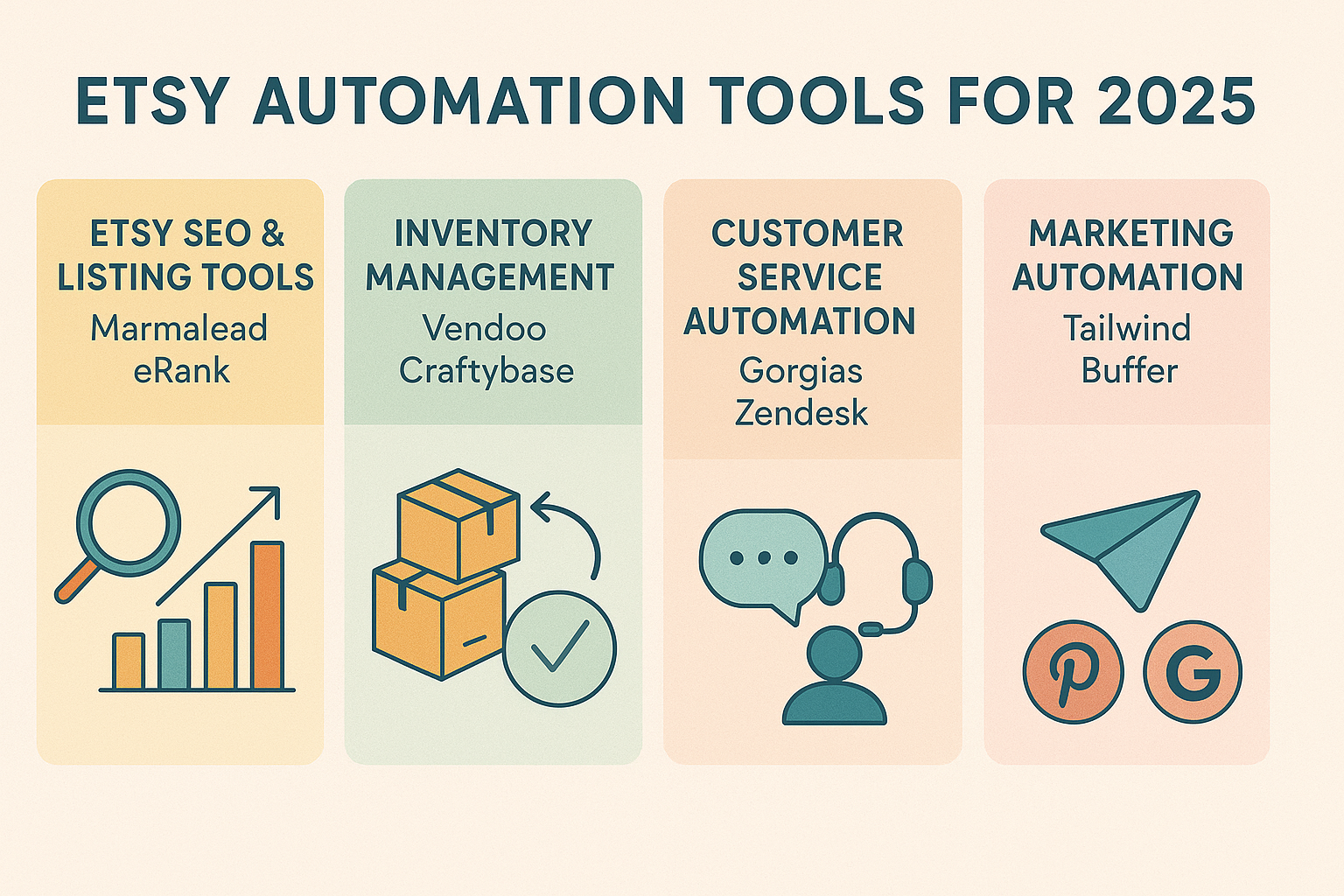
Best Etsy Automation Tools for SEO and Listing Optimization
For any Etsy shop to succeed, it all begins with listings that people can find easily. Etsy automation tools focused on SEO have become essential for sellers. These platforms analyze countless search queries and competitor information. They identify the keywords that truly lead to sales, rather than simply generating traffic.
Marmalead is genuinely one of the most comprehensive Etsy automation tools for SEO available today. It offers in-depth keyword insights, competitor evaluations, and trend predictions. These insights would be unfeasible to compile manually. The platform’s Storm feature continuously monitors keyword performance over time. This capability enables sellers to identify seasonal opportunities before their competitors do.
eRank provides similar features but with a more intuitive interface among Etsy automation tools. The keyword explorer provides insights, including search volume data and competition scores. It also offers suggestions for related keywords. eRank stands out with its listing audit feature. It examines your current listings and offers tailored recommendations for improvement. Moz’s beginner’s guide to SEO provides additional context on why keyword research matters for e-commerce success.
Sale Samurai stands out by emphasizing competitor intelligence. This platform enables you to monitor the actions of successful competitors. You can track their keyword usage, pricing strategies, and listing effectiveness. Such information proves beneficial when exploring new niches or enhancing current product lines.
These Etsy keyword research tools range from $9.99 to $29 each month. You’ll find that the investment pays off quickly. Sellers who use Etsy automation tools often see their rankings improve by 30-50% in just the first month. The right strategy can dramatically increase your visibility in search results.
Ready to explore how Etsy automation tools can transform your e-commerce business? Check out our comprehensive Etsy automation services to discover what’s possible for your online store.
Etsy Inventory and Order Management Automation Tools
As your Etsy shop expands, keeping track of inventory gets significantly more complicated. Keeping tabs on materials and determining actual product costs can consume hours each day. Ensuring accurate stock levels across different variations is challenging. Without Etsy automation tools for inventory management, this becomes nearly impossible.
Craftybase focuses on helping handmade businesses manage their inventory effectively. The platform monitors raw materials and calculates actual product costs. These costs include labor and overhead. It seamlessly updates inventory levels as orders are received. The recipe feature is particularly handy for sellers who manufacture products with multiple components. It automatically deducts materials from inventory when finished products are sold.
StitchLabs, now part of Square, offers enhanced features designed for businesses seeking to expand. It connects with various sales channels and offers demand forecasting. The system can automatically create purchase orders when inventory levels fall below set thresholds. Although it costs more than Craftybase, its advanced features become crucial as businesses grow. According to Shopify’s inventory management guide, proper stock control is essential for scaling any e-commerce operation.
Inventory Source is all about sellers collaborating with suppliers or wholesale materials. The platform effortlessly syncs product availability and pricing from suppliers. This helps minimize the chances of overselling items that aren’t in stock. These Etsy automation tools are particularly important when you’re selling products that take a while to produce.
The cost of these Etsy order management automation solutions varies from $19 to $199 per month. Pricing depends on the features and order volume you need. Select a platform that can evolve alongside your business. You won’t have to switch to new systems as you expand your operations.
Customer Service and Communication Automation
Customer service is a significant time commitment for expanding Etsy shops. It’s also a space where intelligent automation can maintain quality while significantly reducing manual effort. The secret lies in streamlining everyday interactions. You need to keep the personal touches that truly count.
Freshdesk offers robust Etsy customer service automation that integrates seamlessly with Etsy. You can set up automatic replies for frequently asked questions. These include questions about shipping, returns, and product care. More complex matters are directed to a human for further attention. The ticketing system keeps track of customer interactions so nothing gets overlooked or forgotten.
Gorgias focuses on automating customer service for e-commerce businesses. The templates can be tailored with order details, customer names, and purchase history. This generates personalized responses that feel genuine and authentic. You can also connect your social media accounts. This allows you to handle customer questions from various channels all in one place.
Etsy’s built-in auto reply features are excellent for simple automation. Although it may not offer the same depth as specialized platforms, it’s free. It can manage basic questions about shipping times and policies automatically. Many sellers begin with Etsy’s built-in tools for simple automation. They then transition to more advanced platforms as their sales increase. Zendesk’s customer service statistics show that quick response times significantly improve customer satisfaction rates.
Effective customer service automation should feel invisible to customers. The best implementations provide quick and helpful responses to routine questions. Complex issues are seamlessly escalated to human representatives when necessary.
Etsy Social Media and Marketing Automation Tools
Growing your audience beyond Etsy means being active on social media. Managing posts across different platforms can become extremely hectic soon. Etsy automation tools for marketing keep you informed. They allow you to focus on other key aspects of your business.
Later is great for scheduling visual content. This makes it an ideal choice for Etsy sellers who depend on product photography. The platform’s auto-posting feature seamlessly operates on Instagram, Pinterest, Facebook, and TikTok. Your content flows smoothly even when production gets hectic. The hashtag suggestions feature makes it easier to enhance your posts for better visibility.
Tailwind really stands out when it comes to Pinterest automation. Pinterest generates a significant amount of traffic for many thriving Etsy shops. The platform allows you to effortlessly pin your content to the right boards. You can engage in group boards with purpose. You also get insightful analytics on which pins drive the most traffic to your Etsy listings. For sellers, this makes it one of the most effective Etsy automation tools available.
Buffer provides a well-rounded social media solution. It includes detailed analytics and features for team collaboration. The publishing calendar gives you a clear view of your content strategy on all platforms. The analytics dashboard shows you which content types attract the most traffic and sales. These features are essential for data-driven decision making. Buffer’s State of Social Media report provides valuable insights into current social media marketing trends.
Hootsuite offers comparable features but with enhanced capabilities for larger organizations. Although it may seem excessive for smaller Etsy shops, its advanced automation features shine as businesses grow. More refined marketing coordination becomes necessary as you scale.
Advanced Etsy Automation Tools
Email Automation and Customer Retention Tools for Etsy Sellers
Email automation transforms occasional shoppers into loyal customers. This is essential for building a steady 6-figure income. Since Etsy restricts direct communication with customers, collecting email addresses is crucial. You need to foster long-term relationships outside the platform. You can learn more about why email lists matter for sellers in this Shopify email marketing guide.
Mailchimp remains the top choice for small businesses. This is thanks to its free tier and intuitive interface. Etsy sellers can create welcoming sequences for new subscribers. They can send reminders for abandoned carts when customers check out on an external site. Customer segmentation by purchase history enables more focused promotions with better results.
Klaviyo provides enhanced e-commerce capabilities for email marketing. It features detailed segmentation that considers customer lifetime value and purchase frequency. It also considers product preferences. Its predictive analytics can identify customers likely to make repeat purchases. The system automatically launches targeted campaigns to boost sales.
ConvertKit is built with content creators in mind. It offers powerful automation workflows tailored for Etsy sellers. These work especially well for sellers who also run blogs or sell digital products. Its tagging system allows precise customer segmentation. The visual automation builder simplifies creating advanced nurture sequences that drive repeat purchases.
Successful email automation relies on delivering real value rather than just promotions. Many successful Etsy sellers use automated campaigns to share behind-the-scenes content. They provide care instructions for products, styling tips, and exclusive previews of new items. This keeps customers engaged while encouraging repeat purchases.
Analytics and Reporting: Essential Etsy Automation Tools
Creative entrepreneurs sometimes overlook data analysis. Understanding metrics is essential for scaling to six-figure revenues. Etsy automation tools for analytics gather data from multiple sources. They turn it into actionable insights. This saves you hours of manual reporting each week.
Google Analytics 4 with automated reporting helps you monitor website visitor behavior. You can evaluate which traffic sources perform best for your business. Setting up weekly or monthly automated reports makes it easier to spot patterns. You don’t need constant manual checks.
Etsy Seller Dashboard gives basic analytics. For deeper insights and historical data tracking, third-party tools can be invaluable. Tools such as InsightFactory for Etsy help identify best-selling products. They analyze pricing strategies and recognize seasonal demand trends. These insights guide future product development.
Triple Whale and other tools consolidate data from multiple sources. They gather information from Etsy, social media, email marketing, and ad platforms. They create unified dashboards. While these Etsy automation tools come at a higher price point, they provide comprehensive insights. They are especially valuable for sellers scaling across multiple channels. HubSpot’s marketing analytics guide provides excellent insights on which metrics matter most.
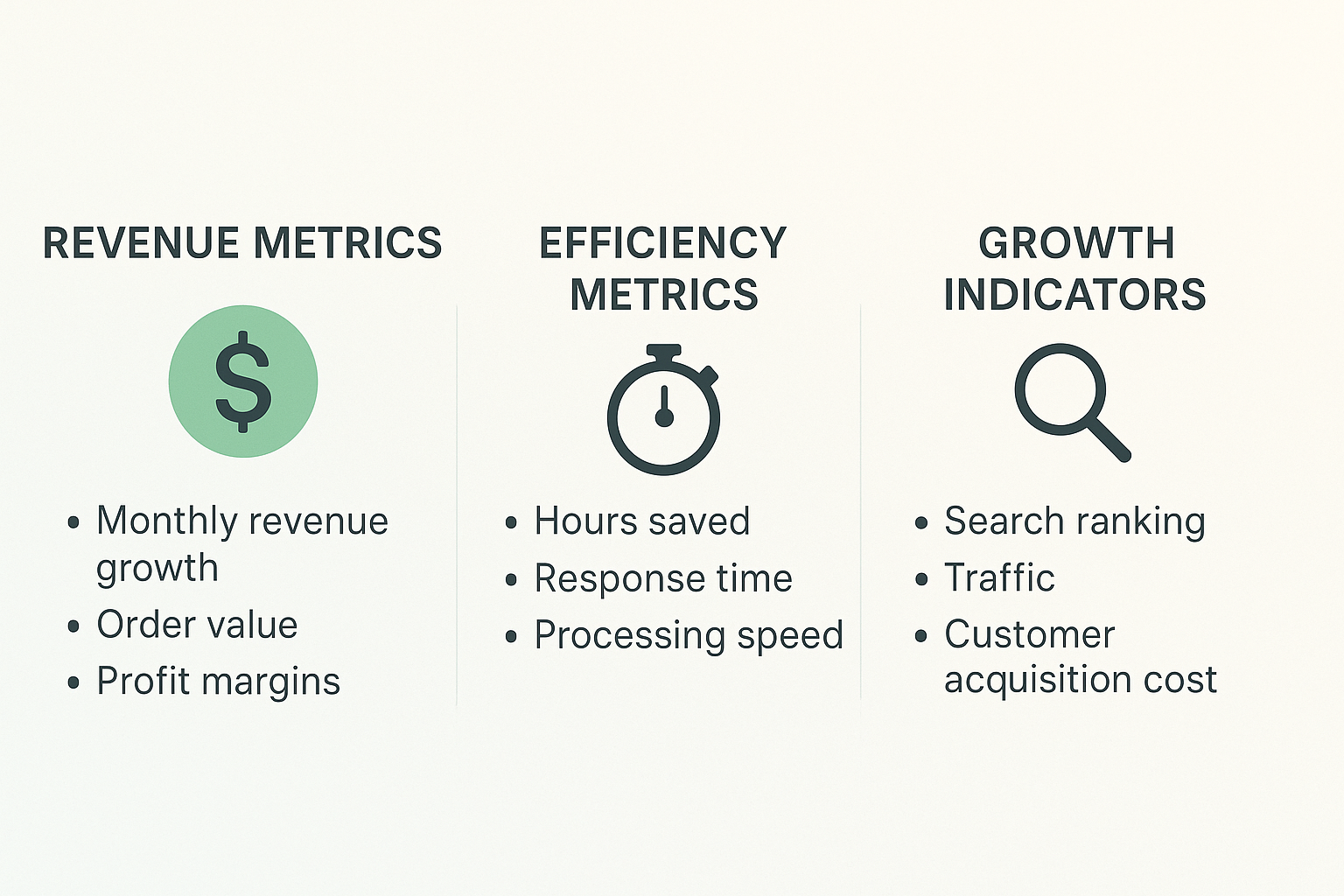
When automating reporting, the focus should be on meaningful metrics. Don’t chase vanity numbers. Prioritize tracking conversion rates, average order values, and customer acquisition costs. Also track lifetime value instead of only monitoring views or follower counts.
Need help choosing the right Etsy automation tools for your specific situation? Our team at HiSellIt specializes in e-commerce automation strategies. Contact us for personalized recommendations and implementation support.
Multi-Channel Selling with Etsy Automation Tools
As Etsy sellers find success, many look to grow by branching out. Options include their own Shopify store, Amazon Handmade, or wholesale marketplaces like Faire. Handling inventory, pricing, and listings on various platforms by hand can quickly become unmanageable. The right Etsy automation tools make this expansion possible.
Sellbrite keeps your inventory and listings in sync across various marketplaces. This helps you avoid overselling. It ensures your product information stays consistent. When something sells on Etsy, the inventory levels update automatically across all linked platforms. This is essential for sellers managing numerous products across different channels.
ChannelAdvisor provides enhanced multi-channel management. Features include dynamic pricing and automated repricing that responds to competitor actions. You get thorough performance analytics across all linked platforms. Although it comes with a higher price tag, its advanced features cater to bigger operations.
Zentail specializes in managing product catalogs across various channels. It can effortlessly enhance product titles, descriptions, and keywords for different platforms. Brand identity remains intact throughout all channels. This really helps cut down on time when branching out to new marketplaces. Different platforms have varying optimization needs that these Etsy automation tools address effectively.
Etsy Content Creation Automation Tools
Creating visual content takes a lot of time for many Etsy sellers. Using Etsy automation tools can simplify various parts of photography and editing workflows. This helps you work more efficiently.
Canva Pro provides templates tailored for Etsy listings, social media posts, and marketing materials. The brand kit feature helps maintain a consistent visual identity. The batch editing capabilities make it easy to process several images at once. This is crucial for maintaining efficiency in your workflow.
Lightroom with automated presets can help create a consistent look for product photography editing. Making custom presets tailored to your unique products enables batch processing. You achieve consistent results every time you edit.
Photoroom and other AI tools can easily strip away backgrounds from product photos. You get polished, professional images perfect for Etsy listings and marketing materials. According to Canva’s design statistics, professional product images can increase conversion rates by up to 40%.
Loom can simplify the process of making product demonstration videos. Using templates and automated editing tools makes it easier to produce polished content. This content works well for social media and product listings.
Creating smooth workflows that keep quality high is essential. You want to cut down on the time it takes to produce content. Numerous successful sellers set aside particular days for photography and content creation. They then utilize Etsy automation tools to handle and share the content in the weeks that follow.
Choosing the Right Tool Stack for Your Business
Assessing Your Current Workflow
Successful sellers analyze their processes before implementing Etsy automation tools. They identify big-time wasters and efficiency improvements. For a week, track how much time you spend on different tasks. Include listing creation, customer service, social networking, and order fulfillment.
This baseline study determines which Etsy automation tools offer the best ROI. If you spend three hours a day on customer service, automate that first. Don’t prioritize social media scheduling tools if you only spend thirty minutes on it currently.
By using manual methods, consider the time and benefits you may lose. Routine duties reduce time for product development and market research. They also limit strategic planning time. Calculate your hourly rate and compare it to tool prices. This helps you understand their value clearly.
Be sure to document your workflows before automating. This documentation helps identify which procedures need automation. It also helps identify where human input remains necessary. Documentation helps evaluate automation development as you scale over time.
Budget Considerations and ROI Calculation
Etsy automation tools cost money each month. They must pay off through increased revenue or time savings. Many successful Etsy merchants spend 3-5% of their gross revenue on automation tools and services. This ratio drops as revenue climbs and efficiency increases.
Start by calculating your hourly rate based on your earnings and hours worked. When you save 10 hours a week with these technologies, you can use that time for revenue-generating activities. The ROI becomes easy to calculate.
Consider direct and indirect benefits when calculating tool costs. Saving time and increasing efficiency are clear benefits. However, happier customers, better SEO results, and less stress also matter. These allow for more creativity. These indirect benefits are equally valuable.
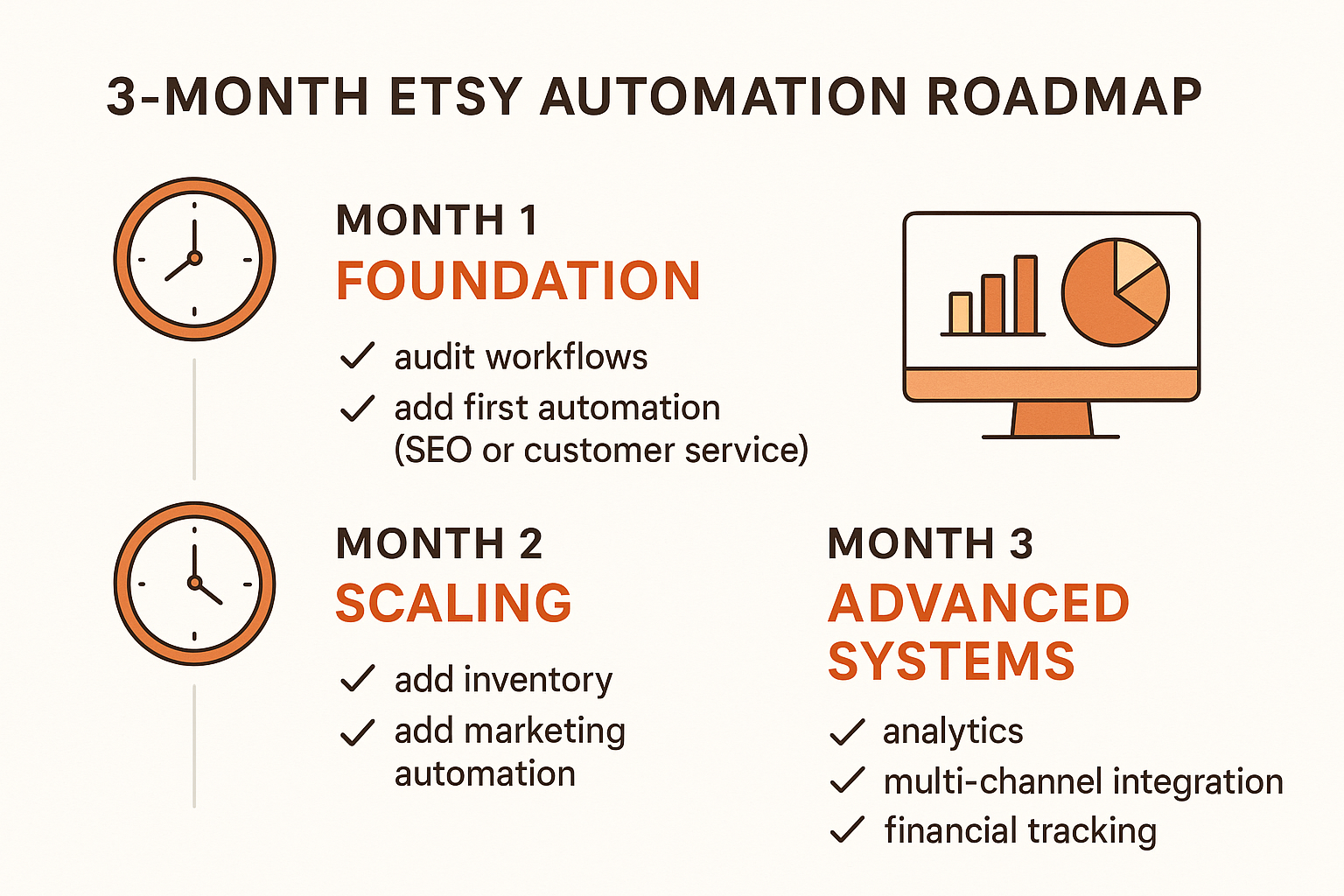
To reduce costs and test each tool, implement Etsy automation tools gradually. Start with a few important tools. Evaluate them over 2-3 months. Add automated features as you see their benefits materialize.
For guidance on building lean business budgets and understanding automation ROI, check out helpful resources. Shopify’s automation guide and HubSpot’s ROI calculator are both excellent resources.
Integration and Compatibility Factors
The greatest automation setups use Etsy automation tools that perform well together. Find systems that integrate with your existing products. Look for compatibility with automation platforms like Zapier or Make (formerly Integromat).
Before using specific tools, consider Etsy’s API constraints. Understand how they may affect integration capabilities. Etsy sellers may not have access to all the functionalities available to Shopify or WooCommerce users.
Consider the complexity of your automated setup. Basic solutions with simple integrations may work well initially. As your demands increase, you may need platforms with additional API functionality. Custom development possibilities become more important.
Consider how your tools will evolve. Platforms that handle 50 orders a month may struggle with 500 orders. Before using each tool, research its limits and upgrade alternatives. You’ll avoid costly migrations later.
Testing and Implementation Strategy
Instead of automating everything at once, introduce Etsy automation tools gradually. Start with a specific portion of your business. Make it efficient. Add automation features as you go and learn what works best.
Many platforms provide free trials or freemium plans to sample before buying. Take advantage of these trial periods. Evaluate the tool’s performance. Check how well it fits into your workflow.
Establish backup procedures for all automated tasks. This is especially important for customer-facing functions like order processing and servicing. Automation tools sometimes fail. Manual backups help avoid customer service concerns.
Monitor automated procedures in the first weeks after implementation. Set notifications for unexpected activity trends. Regularly verify automated findings for quality. This ensures your automation maintains standards.
Record your automation settings and routines for future use. As your firm grows, you may need to adjust settings. You might train staff on automated processes. Well-organized documentation prevents confusion. It preserves consistency.
Ready to implement professional-grade automation for your Etsy store? Explore our specialized Etsy automation services designed to help sellers scale efficiently. We maintain quality and compliance while helping you achieve success.
Cost-Benefit Analysis of Popular Tools
Budget-Friendly Starter Tools
For sellers beginning to explore Etsy automation tools, several helpful solutions are budget-friendly. These platforms offer valuable features at affordable prices. Even part-time Etsy sellers can embrace automation without breaking the bank.
eRank has a base subscription priced at $9.99 per month. It offers comprehensive keyword research and essential competitor tracking. If the platform helps you enhance even a single listing, it’s worth every penny. The ROI typically appears within the first 30 days.
Mailchimp’s free tier can manage up to 2,000 email contacts. It can create straightforward email marketing automation workflows. This allows new sellers to begin building email lists. They can employ strategies to retain customers with no additional monthly costs.
Later’s free plan can easily schedule simple posts across various social media platforms. While it may not offer as many features as the paid options, it’s suitable for many vendors. Those who post daily on 2 to 3 social media platforms benefit most.
Canva’s free version offers plenty of templates and design tools. You can create basic marketing materials and social media posts effectively. The Pro edition offers handy features such as brand kits and background removal. However, the free version is capable of managing most essential design tasks. It saves sellers time on branding and visual marketing tasks.
These affordable Etsy automation tools allow sellers to benefit as their businesses grow. Eventually they reach a stage where they can invest in more sophisticated solutions.
Mid-Tier Professional Solutions
As Etsy shops grow to earn between $5,000 and $20,000 a month, they frequently need more advanced solutions. Professional tools help sustain growth. They maintain a healthy work-life balance.
Marmalead’s standard plan offers service for $19 a month. Features include detailed keyword analytics and trend predictions. You also get a comprehensive look at your competitors. The additional information often justifies the higher price. It results in improved product development decisions and greater success in listings.
Klaviyo’s growth plan offers an expansion package. It begins at around $60 per month. You get additional contacts along with features like advanced segmentation. Predictive analytics and full e-commerce integrations are included. Having in-depth information about customers frequently results in significant boosts in repeat purchases.
Buffer’s Pro plan, priced at $99 a month, allows teams to collaborate. It provides access to detailed statistics. You can post more content. When sellers need to handle multiple brands or collaborate with assistants, those additional features become essential.
Craftybase’s professional tier is priced at around $49 per month. It includes features like advanced inventory management and profitability reporting. Support for multiple locations is included. These insights play a crucial role in guiding strategic decisions. Product lines expand and operations become more complex over time.
Ensuring that every tool generates more revenue than its monthly expenses is crucial. Focus on key indicators. Improved search rankings, increased email revenue, or time saved should be measurable.
Enterprise-Level Automation Platforms
Companies earning $50,000 or more each month typically require enterprise solutions. These Etsy automation tools can handle complex tasks. They deliver the insights necessary for managing a larger operation.
ChannelAdvisor typically begins at around $500 per month. It offers features like advanced multi-channel management and automated repricing. You get detailed performance statistics. These platforms can be a great investment for merchants with high sales. They improve pricing and reduce the need for manual tasks across marketplaces.
Gorgias, with its advanced features, comes at a price of over $300 a month. However, it streamlines your customer care effectively. You get detailed insights into your support team’s performance. Intelligent routing rules ensure clients receive accurate answers promptly.
Triple Whale and various analytics tools bring together data from all company systems. They create unified dashboards that aid in making significant decisions. The insights can bring in thousands of dollars in additional revenue. Despite the monthly cost being over $200, the ROI justifies the investment. Tools like these are essential for sellers who need comprehensive analytics.
Enterprise Etsy automation tools come with a hefty price tag. Companies should really consider if they justify the investment. Only businesses that have the right volume and complexity should purchase them. As companies expand beyond what basic technologies can handle, professional solutions frequently become essential.
Future of Etsy Automation
Emerging Technologies and Trends
The world of Etsy automation tools is changing quickly. AI and machine learning are opening up new ways for sellers. Businesses can run more smoothly and perform better than ever before.
AI-powered content creation systems are getting better at making product descriptions. They handle social media postings and even basic customer service responses. The brand’s voice remains consistent while saving a lot of work. Jasper and Copy.ai are two platforms that now include templates made just for e-commerce.
Computer vision technology is making it easier to automate product photography. Tools can now automatically trim, edit, and optimize photographs for numerous platforms. This happens with little to no human input. Backgrounds are removed automatically. Lighting gets fixed. Styles remain consistent across all images.
Predictive analytics are getting easier to use. Smaller merchants can now guess what people will want. They can keep their stock levels just right. They can find trending opportunities before their competitors. SaaS systems made for individual entrepreneurs are making these insights available to everyone.
Voice commerce and conversational AI are opening up new ways for customers to interact with businesses. These technologies are still new for Etsy automation tools. However, they could soon make it possible for automated customer service to handle complicated questions. No help from people would be necessary for many inquiries.
Preparing for Platform Changes
Etsy, like many big platforms, changes its rules, algorithms, and features all the time. This might have an impact on automation strategies. Successful sellers make their automation systems flexible. They can swiftly adjust to changes in the platform without major disruptions.
As automation capabilities grow, diversification becomes more important. Sellers that only use Etsy to make money are still at risk. Regulatory changes could damage their tools or their whole business model. Building automation systems that run on more than one platform makes them more stable. It gives sellers more chances to expand safely.
Changes to policies and API limits can modify which automation functionalities are still available. Keep an eye on Etsy’s developer updates and policy changes. These could affect your tools. Join seller groups and keep an eye on official announcements. Stay ahead of developments that could effect your business operations. Etsy’s seller handbook provides regular updates on platform changes and best practices.
Think about how long your tool stack will last. Instead of using newer platforms that might go away, pick tools from well-known companies. Look for providers with a proven track record of reliability. Get to know the customer care staff for your most important tools. This gives you early warning of big changes that might affect your business.
As automation systems contain more significant company data, data ownership becomes increasingly important. Portability is also crucial. Make sure you can export your data from any platform. Have backup systems for important business information. Information stored exclusively should always be accessible.
Conclusion
Your handmade business can grow from a time-consuming side project to a six-figure business. The correct Etsy automation tools make this transformation possible. To succeed, choose technologies that align with your goals. Plan their use effectively. Refine them as your business evolves.
Use easy SEO tools like eRank or Marmalead to start. Add Mailchimp for email marketing next. Then incorporate Later or Buffer for your social media strategy. Work faster and maximize your time with these crucial tools. They prepare your store for more advanced solutions as it expands.
Automation should not take the place of innovation and consumer interactions. It should make them better and more efficient. Top Etsy sellers avoid exhausting duties to focus on product creation. They handle strategic planning and manage customer interactions that set their businesses apart. Etsy has over 9 million active sellers, demonstrating the need for efficiency. According to Statista’s e-commerce data, automation plays a critical role in staying competitive.
As your firm grows, your tools must be upgraded. They need to handle more work and complexity effectively. Effective inventory management is essential. Comprehensive solutions and multi-channel synchronization maintain efficiency. Customer loyalty grows when systems work seamlessly together.
New Etsy automation tools and possibilities are constantly released in the market. Avoid pressure to pursue additional platforms without clear benefits. Focus on your main tool categories first. Before adding complexity to your automated arrangement, familiarize yourself with your tools thoroughly.
Choosing and employing the right Etsy automation tools will help you establish six-figure enterprises. Successful sellers know automation is a tool, not a replacement for human creativity. These platforms let you concentrate on refining products. They help you understand customers better. They help you build a competitive brand that stands out.
Ready to transform your Etsy business with professional automation? Visit HiSellIt to explore how we can help you scale efficiently. Our team specializes in solutions that deliver results.
Frequently Asked Questions
Q. What are the best free Etsy automation tools for beginners?
The best free Etsy automation tools for beginners are ERank for keyword research, Mailchimp for email marketing, Later for scheduling social media, and Canva for shop design.
ERank’s limited plan works well for beginners exploring keyword research. Mailchimp’s free tier supports up to 2,000 contacts for email campaigns. Later’s free plan helps with scheduling social media posts effectively. Canva’s free design tools create professional marketing materials. Built-in features provide free customer service responses. New sellers benefit from these tools without spending money. Start with SEO and email solutions for the highest ROI.
Q. How much should I budget for Etsy automation tools monthly?
On average, Etsy sellers spend 3 to 5% of monthly earnings on Etsy automation tools and services.
Many successful sellers invest 3 to 5% of their monthly earnings on automation solutions. A store producing $3,000 per month would spend $90 to $150 on software and services. New sellers often spend $30 to $50 per month on basic SEO and email marketing. Established stores with over $10,000 in monthly revenue spend $300 to $500. This includes comprehensive analytics and professional customer service platforms. Every tool should save time, improve performance, or increase sales above its monthly cost.
Q. Can automation tools help improve Etsy SEO rankings?
Yes, Etsy automation tools improve SEO rankings by analyzing keywords and optimizing listings effectively.
Marmalead, ERank, and Sale Samurai are popular tools that analyze thousands of searches. They find profitable keywords. These solutions track ranking changes and suggest listing improvements. They also analyze competitors, seasonal trends, and keyword performance. Sellers who utilize these platforms often experience a 30-50% increase in ranking within the first month. The Etsy automation tools provide valuable data for your strategy. Applying their advice to your listings is what drives success.
Q. Are there automation tools designed explicitly for handmade businesses?
Yes, tools like Craftybase, Stitchcraft, and Inflow Inventory are designed specifically for handmade sellers’ unique needs.
Craftybase helps makers manage inventory, raw materials, labor costs, and recipe-based production effectively. Stitchcraft helps fiber arts sellers sell digital patterns and manage yarn inventory efficiently. Craft-specific inventory tools, such as Inflow Inventory, offer component tracking and assembly management. These systems address handmade business challenges effectively. Variable material costs, custom requests, and small-batch production require special features. Traditional platforms often overlook these needs for handmade sellers.
Q. How do I know if my automation tools are working effectively?
You can measure success by tracking time saved, sales growth, SEO rankings, and customer satisfaction metrics.
Track performance measures regularly. Include time savings, revenue growth, customer satisfaction, and error reduction. SEO solutions, marketing platforms, and customer service systems can enhance search rankings. They increase email open rates and reduce response times significantly. Perform initial measurements before automating operations. Check performance monthly to track improvements.
Good Etsy automation tools should deliver results within 30 to 60 days. Track these indicators using analytics platforms and regular reviews. Discover trends and make adjustments as needed. If a tool doesn’t provide measurable benefits within 90 days, consider alternatives. You may need to optimize its implementation for better results.